The Ultimate Planning Guide for Roof Replacement in Succasunna, NJ
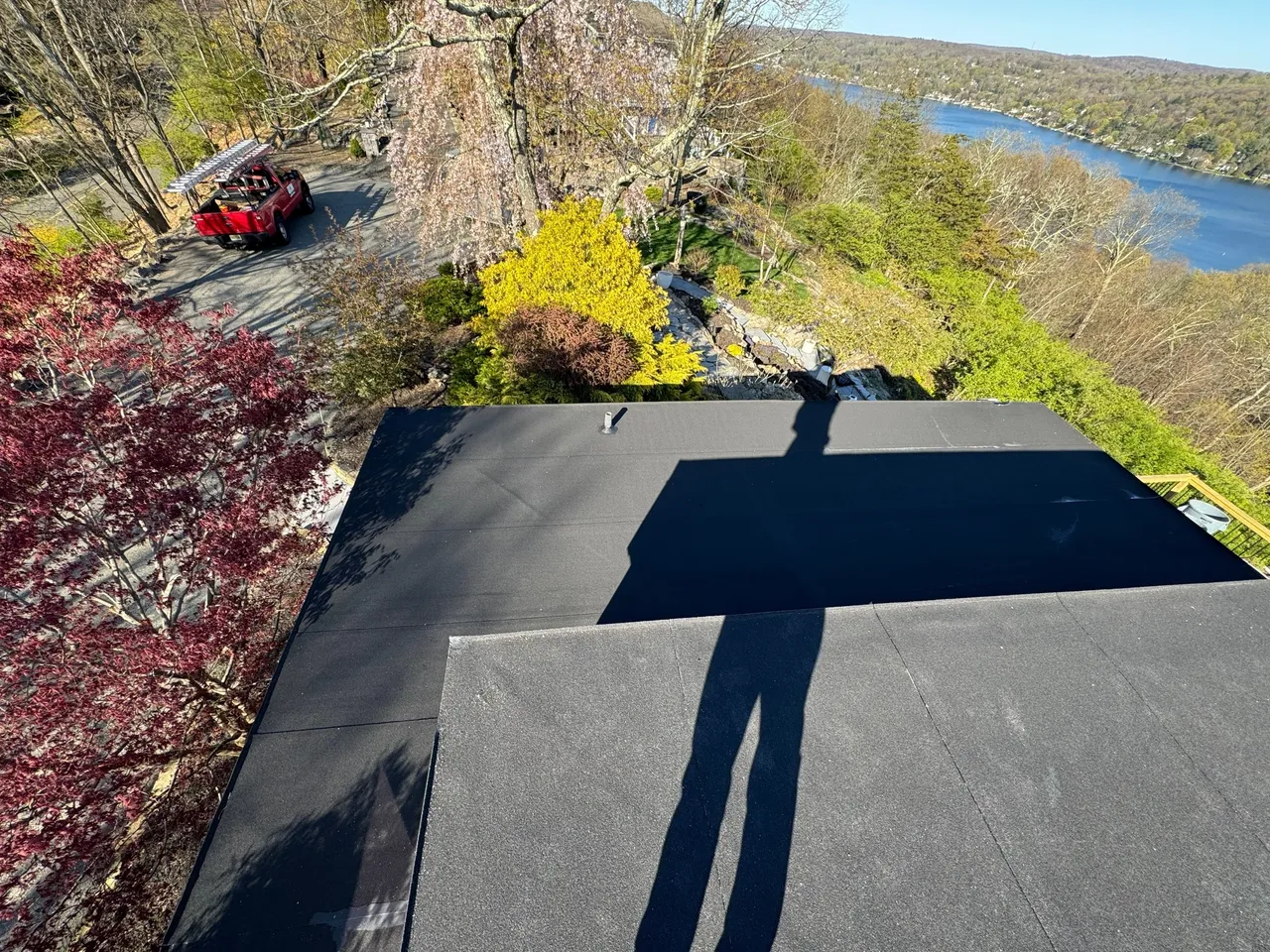
A roof replacement is one of those projects that looks straightforward from the street and turns complicated the moment the old shingles come off. Homeowners in Succasunna often start with a simple question, usually some version of, “How much is this going to cost?” That matters, of course, but it is rarely the first question I would ask. A better starting point is whether the roof is failing in one isolated area, aging uniformly, or signaling broader problems with ventilation, flashing, decking, or drainage. The answer shapes everything that follows, from budget to scheduling to the kind of contractor you want on the job.
In northern New Jersey, roofing decisions are never made in a vacuum. Succasunna homes deal with freeze and thaw cycles, humid summers, periods of heavy rain, and the occasional snow load that exposes weak spots fast. A roof that is merely “old” may still have a few serviceable years left. A roof that looks decent from the driveway can be one hard storm away from interior damage. Planning well means reading the roof as a system, not just a layer of shingles.
What makes roof replacement in Succasunna different
Local conditions matter more than many homeowners realize. A roof in a dry, mild climate ages differently than one in Morris County. The swings in temperature can be tough on shingles and flashing. Ice dams are not guaranteed every winter, but poor attic insulation and ventilation make them far more likely. Tree cover, which is common in many neighborhoods around Succasunna, adds another variable. Shade can help with summer heat, but it also keeps sections of the roof damp longer after rain, which can encourage moss or algae growth and shorten the life of roofing materials.
Home style also changes the planning process. Ranch homes are usually more accessible and faster to roof than steep colonials or houses with multiple dormers, valleys, skylights, or additions tied into the main roofline. A simple rectangle is one thing. A roof with intersecting sections, older flashing details, and a chimney that has seen better days is another. That complexity does not just affect labor. It also increases the places where water can enter if the workmanship is sloppy.
This is why the phrase Roof Replacement Succasunna, NJ should mean more than swapping one set of shingles for another. In practice, it means planning for local weather, local housing stock, and the real condition of the roof assembly underneath.
Knowing when repair is no longer the smart move
Many homeowners spend a year or two trying to squeeze more life out of a roof with spot repairs. Sometimes that is sensible. Sometimes it becomes expensive procrastination. A single missing shingle after a wind event is not a replacement job. Recurrent leaks around flashing, widespread granule loss, curling shingle edges, soft decking, and patchwork repairs across multiple roof planes usually point toward full replacement.
A pattern matters more than any single symptom. If you have had two or three repairs in the last couple of years, especially in different areas, the roof is often telling you that the field shingles have reached the point where every repair is temporary. Another clue is when attic conditions start matching the weather outside. If your attic is excessively hot in summer, damp in winter, or showing signs of condensation on nails or sheathing, the roof system is not performing the way it should.
The most practical signs usually look like this:
- shingles curling, cracking, or losing granules across broad sections
- repeated leaks near chimneys, valleys, skylights, or wall intersections
- soft spots underfoot that suggest damaged decking beneath the shingles
- staining in the attic, especially after wind driven rain or snow melt
- a roof nearing the end of its expected service life, with repairs becoming more frequent
Even then, judgment matters. A twenty year old architectural shingle roof on a well ventilated home may still have life left. A fifteen year old roof with poor attic airflow, bad flashing, and heavy shade may be much closer to failure.
Start with a roof inspection that goes beyond the obvious
If you are planning a replacement within the next year, get a detailed inspection before you ask for proposals. Not a quick glance from the driveway. A real inspection should include the shingle surface, flashing, penetrations, gutters, attic conditions, and, when accessible, the decking from below. Good roofers often spot indirect signs of trouble, such as rusted nail heads, bathroom exhaust venting into the attic instead of outside, or old chimney flashing that has been smeared with roofing cement more than once.
I have seen homeowners receive wildly different estimates on the same house because one contractor priced a straightforward tear-off and another noticed that the intake ventilation was inadequate and the plywood near the eaves was likely compromised. The second contractor was not necessarily upselling. He was pricing the work needed to build a roof that lasts.
Ask for photos. Ask what concerns them most. Ask what they expect to find once the shingles come off. A trustworthy contractor will not claim certainty about hidden damage, but should be able to explain the likely trouble spots and how they handle them if discovered.
Budgeting without fooling yourself
Roof replacement costs vary widely because roofs vary widely. In Succasunna, the final number depends on size, slope, access, material choice, number of layers to remove, flashing needs, and the amount of wood replacement required. A straightforward asphalt shingle replacement on a modest, walkable roof is a different job from a steep home with several dormers, chimney work, and difficult access for dumpsters and material delivery.
Homeowners get in trouble when they compare bids as if every line item is interchangeable. One estimate may include premium underlayment, ridge ventilation upgrades, chimney flashing replacement, and site protection. Another may look cheaper because it assumes minimal flashing work, lower grade accessories, or fewer cleanup measures. Cheap bids have a way of growing once the crew starts opening the roof.
It is usually smarter to budget in layers. Think of the base roof, then the likely extras. The base roof covers tear-off, underlayment, ice and water protection in vulnerable areas, shingles, standard flashing, ridge components, and cleanup. Extras might include replacing damaged plywood, chimney masonry repairs, skylight replacement, upgraded ventilation, gutter work, or structural corrections discovered during tear-off.
A realistic contingency helps. For many homes, setting aside an additional ten to fifteen percent for hidden conditions is prudent. Older homes, or roofs with known leak history, may deserve a bit more cushion. If the project ends cleanly and you do not need that reserve, excellent. If you need it, you will be glad it is there.
Material choices that make sense in this area
Asphalt shingles remain the most common choice in Succasunna for good reason. They balance cost, appearance, and performance, and they fit most neighborhood aesthetics. Architectural shingles are generally the default recommendation for full replacement because they offer better dimensional appearance and usually better wind performance than basic three tab shingles, where those are still available.
Metal roofing can make sense on some homes, especially where snow shedding, longevity, or low maintenance is a priority. It costs more upfront and requires a contractor who truly knows metal detailing, not just one who “also does metal.” Poorly executed metal work can be unforgiving. The roof may last a long time, but every flashing transition has to be right.
Cedar, slate, and synthetic specialty products are less common and much more case specific. They can be beautiful, but they bring higher costs, more structural and installation considerations, and a smaller pool of contractors with deep experience. If your home has a historic or high end design language, specialty materials may be worth exploring. For many homes in Succasunna, a high quality architectural shingle system is the practical sweet spot.
Color matters more than people expect. Dark shingles can look sharp and are common, but they absorb more heat. Light and medium tones may reduce heat gain somewhat, though attic ventilation plays a larger role in overall performance than color alone. The visual relationship with siding, brick, stone, and shutters should not be an afterthought. You will look at this roof for decades.
The parts homeowners do not see, but pay for later if they are skipped
A long lasting roof depends on details. Underlayment, flashing, ventilation, and edge protection are not glamorous, but they decide whether the roof remains dry and stable after the shingles have aged a few seasons. This is where the cheapest bid often cuts corners.
Ice and water protection is especially relevant in New Jersey. Vulnerable areas such as eaves, valleys, and roof penetrations benefit from it because these are the places where backed up water and wind driven rain tend to find entry. Flashing around chimneys, sidewalls, and skylights should not be treated as reusable by default. Sometimes it is salvageable, often it is not. If flashing is old enough to have failed once, counting on it for another full roof cycle is risky.
Ventilation is another area where homeowners hear a lot of oversimplified advice. More ventilation is not automatically better. Balanced ventilation is better. Intake at the soffits and exhaust at the ridge should work together. If a home has ridge vents but blocked soffits, the system is incomplete. If powered attic fans are added without understanding the rest of the attic assembly, they can create unintended pressure issues. Every house has its own logic. A contractor should be able to explain your attic’s specific needs, not just recite generic talking points.
Timing the project wisely
Most roof replacements in New Jersey happen from spring through fall, but that does not mean winter planning is a mistake. In fact, many of the smoothest jobs start with an off season inspection and early scheduling. Waiting until a leak appears during a heavy rain event puts you in the position every contractor recognizes immediately: you need help right now, and you have less room to compare options calmly.
Summer is busy, and after major storms schedules can tighten fast. If your roof is near the end of its useful life, plan ahead. Early booking gives you time to review proposals, align financing if needed, and choose materials without pressure. It also improves the odds that your project gets done in a weather window suitable for careful work.
That said, roofers can and do work in cooler months when conditions allow. The key question is not the date on the calendar. It is whether the weather supports safe installation and proper sealing, and whether the crew can protect the home if conditions change during the job.
Choosing the right contractor, not just the fastest estimate
A roof replacement is one of the clearest examples of why low price and good value are not the same thing. A professional estimate should be specific about materials, scope, ventilation approach, flashing treatment, cleanup, and warranty terms. Vague proposals create conflict later because each party assumes something different.
When comparing contractors, pay attention to how they inspect, explain, and document. A roofer who spends twenty minutes on the property and emails a one line number may still be competent, but you are being asked to trust a lot that was never discussed. A roofer who climbs the roof, looks in the attic, takes photos, notes venting deficiencies, and explains staging and cleanup is giving you something more valuable than sales polish. They are showing how they think.
Use a short evaluation filter:
- ask whether the estimate includes full tear-off, underlayment type, flashing details, and ventilation work
- ask how wood replacement is priced if damaged decking is uncovered
- ask who supervises the crew and how property protection and cleanup are handled
- ask what warranty covers workmanship versus manufacturer defects
- ask for recent local references, especially for projects similar in size and complexity
That list is short on purpose. Homeowners do not need a seminar. They need answers that reveal whether a contractor is organized, transparent, and experienced in roofs like theirs.
Permits, property protection, and neighborhood realities
Depending on the municipality and the scope of work, permits may be required. A reputable contractor should know the local process and spell out who is responsible for obtaining permits and scheduling inspections if they apply. Do not treat this as a minor administrative detail. Work performed without the required approvals can become a headache when you sell the house or file an insurance claim later.
Property protection deserves equal attention. Roof replacements are noisy and messy by nature. Crews should protect landscaping, manage debris, and use magnetic cleanup tools for nails around driveways, walkways, and lawn areas. If you have delicate foundation plantings, paver walkways, a recently sealed driveway, or a narrow lot line, bring it up before work starts. These details are easier to protect proactively than repair afterward.
Parking and access can also affect the flow of the job. In older neighborhoods or busier roads, staging space may be tight. Dumpsters, material delivery, and crew access all need a plan. None of this is glamorous, but jobs go better when the boring logistics are handled well.
Insurance claims and storm damage, handled carefully
Not every roof replacement should go through insurance, and not every sign of wear qualifies as storm damage. Homeowners sometimes assume any old roof with a leak can become an insurance job after a windy night. That is not how it works. Carriers generally distinguish between sudden covered damage and long term wear, deferred maintenance, or installation defects.
If you suspect storm damage, document it early. Take photos if safe to do so from the ground, note the date of the event, and have the roof inspected promptly. A good contractor can identify whether the damage pattern looks consistent with wind or hail, but they should not promise outcomes they do not control. Be wary of anyone who guarantees claim approval before the adjuster has even visited.
If a claim is approved, make sure the scope aligns with what the roof actually needs. Partial approvals on aged roofs can create awkward situations where one slope is covered but the rest of the system is near failure. That may still leave you making a broader replacement decision for practical reasons.
Preparing your home and your household
A roof replacement is disruptive for a day or two, sometimes longer on larger or more complex homes. The pounding overhead is sharp and constant. Pets often hate it. People working from home should consider relocating for part of the day, especially during tear-off. Remove fragile wall items if they are sensitive to vibration. Cover valuables in the attic if dust is likely. Move vehicles away from the driveway unless the contractor tells you otherwise.
The house should feel different after the project, not just look different. Better attic ventilation can reduce summer heat buildup. Proper flashing can end those mysterious stains that appeared only after certain storms. New roof lines, drip edge, and ridge details can sharpen the whole exterior. The best roof replacements do not simply erase a problem. They improve the performance of the home in ways that are noticeable over time.
Red flags that deserve immediate attention
Some planning can wait a season. Some should not. If you notice active interior leaks, sagging roof areas, daylight visible through attic boards, or staining that spreads after each storm, treat the issue as urgent. Sagging in particular can signal structural problems, not just old shingles. At that point, the conversation shifts from efficient planning to damage control and risk reduction.
There is also a middle category that catches many homeowners: the roof that is not actively leaking but has clearly crossed into end of life. That roof tempts people because it still appears to be holding on. Then a winter storm or a week of hard rain exposes the truth. Replacing before the emergency is almost always cheaper, calmer, and more controlled.
What a well planned project looks like from start to finish
The smoothest roof jobs follow a clear rhythm. The roof is inspected thoroughly, the estimate defines scope precisely, material choices reflect the house and the climate, and scheduling happens before a crisis forces the decision. On installation day, the property is protected, the tear-off is completed methodically, damaged wood is documented and replaced as needed, flashing and underlayment are installed correctly, ventilation is addressed with some thought, and the final cleanup is serious enough that you are not still finding nails a month later.
That may sound basic, but roofing problems often begin where the basics were rushed. Most homeowners only replace a roof once, maybe twice, while they own a property. It is not a project where trial and error makes sense.
For anyone weighing Roof Replacement Succasunna, NJ, the real goal is not Roof Replacement Succasunna, NJ simply getting a new roof over your head. It is getting a roof system that matches the house, stands up to local conditions, and eliminates the nagging uncertainty that comes with an aging roof. When planning is done well, the project stops feeling like a looming expense and starts looking like what it should be: a durable, practical investment in the home you already have.
Royalty Exteriors
151 NJ-10 Suite 103A, Succasunna, NJ 07876, United States
+1 973-333-7234
FAQ About Roof Replacement Succasunna, NJ
What are signs a roof needs replacing?
Widespread shingle deterioration, repeated leaks, or damaged decking can point to a larger problem. A roofer can inspect the roof covering, flashing, and deck to determine whether the damage is localized or whether replacement makes more sense.
How long does it take to reroof a 2000 square foot house?
Royalty Exteriors estimates one to three days for many single-family roof replacements. A house’s floor area does not tell you the actual roof area. Pitch, roof features, weather, and any decking repairs can change the schedule.
How long should a roof last in NJ?
There is no single lifespan for every roof. Material, installation quality, attic ventilation, maintenance, and exposure to storms all affect how long a roof remains serviceable. An inspection can help you assess its condition and plan for replacement.