Roof Replacement Succasunna, NJ: Understanding Local Building Codes
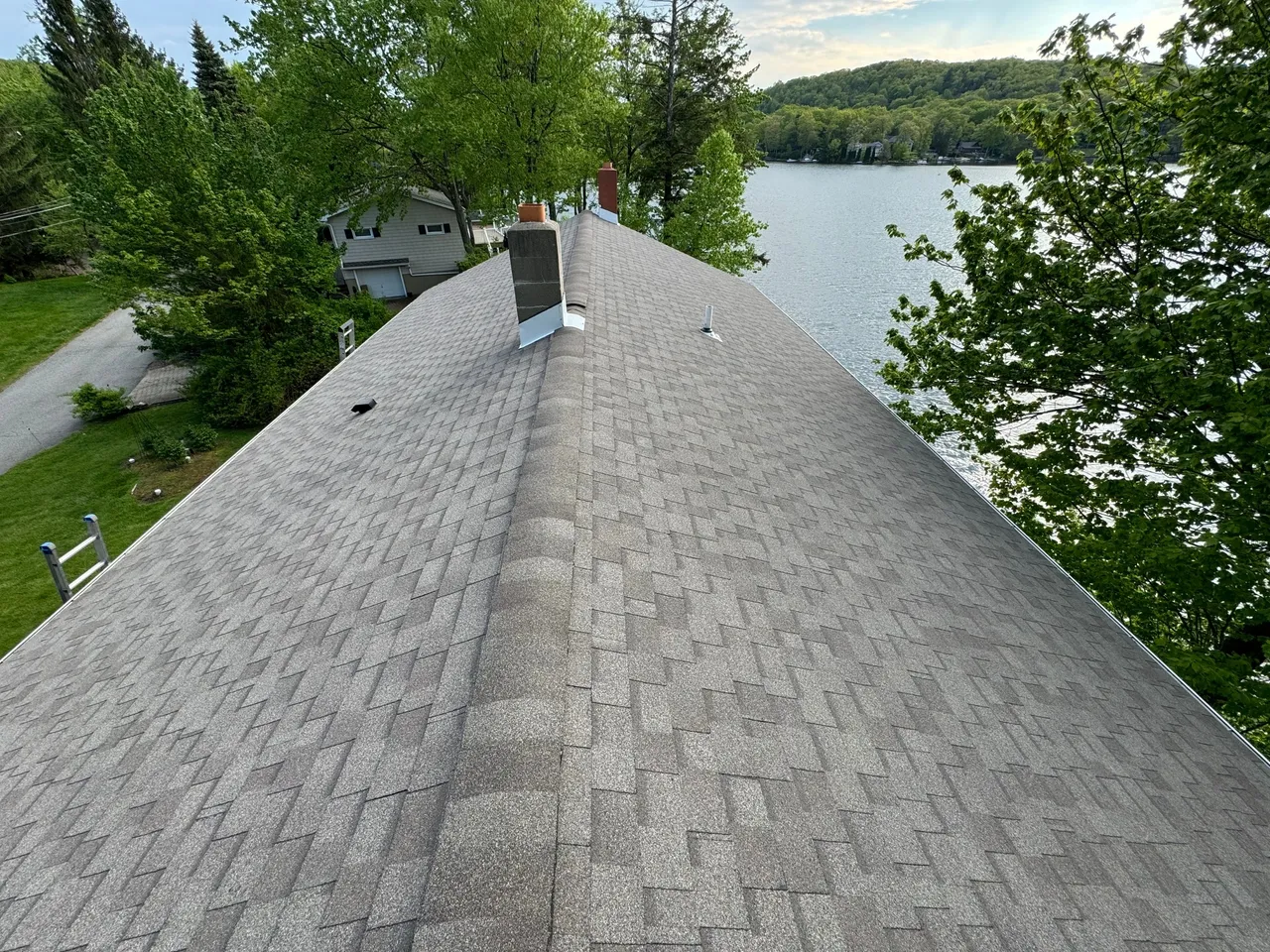

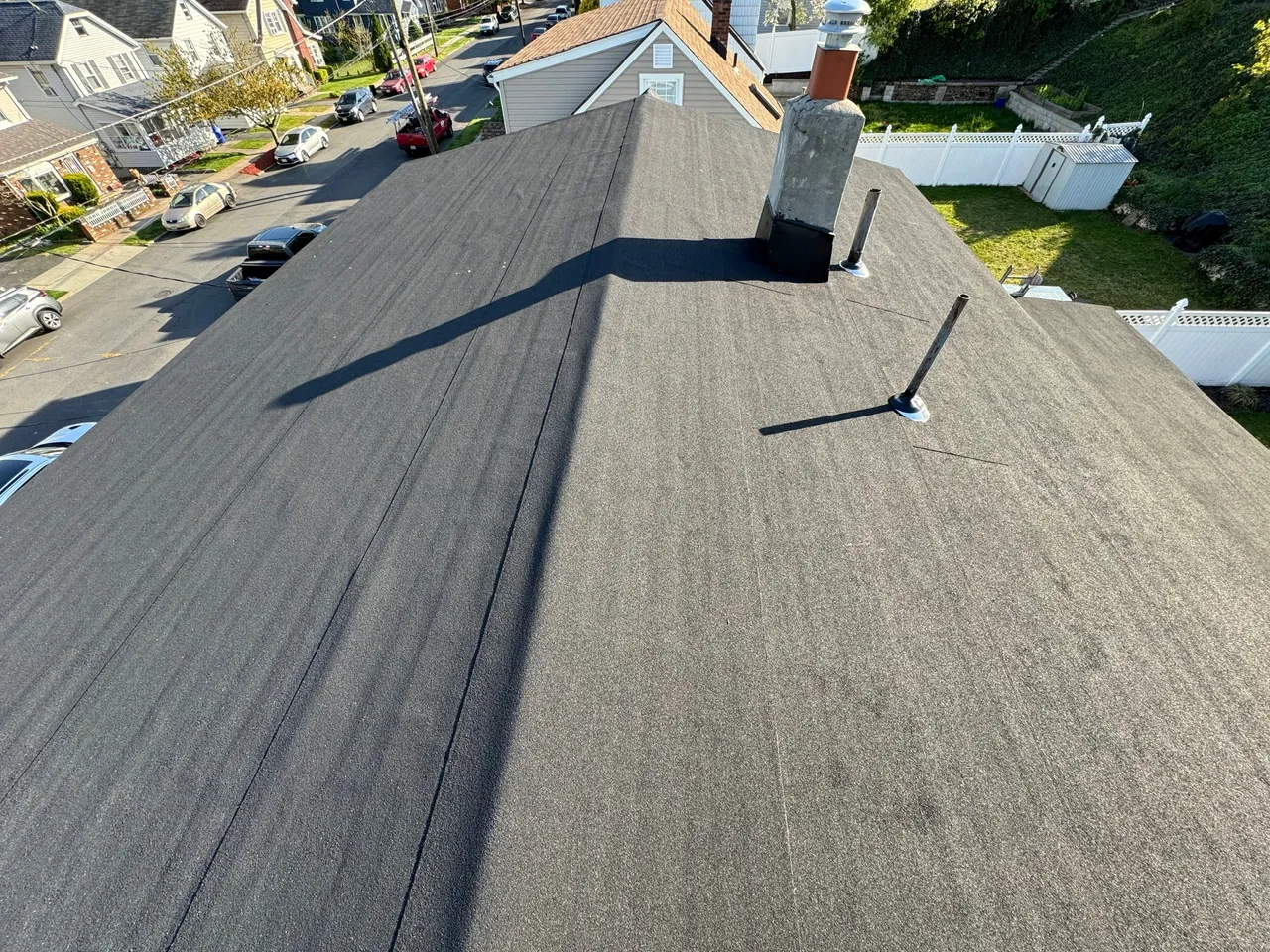
A roof replacement is never just about shingles, nails, and underlayment. In Succasunna, NJ, it is also about permits, inspections, ice protection, ventilation, structural judgment, and the practical reality of working within local code expectations. Homeowners usually start by thinking about color, price, and timing. Those matter, but the code side of the project often decides whether the job moves smoothly or turns into a frustrating cycle of change orders, delays, and failed inspections.
That is especially true in Morris County communities, where homes range from older colonials and capes to newer developments with more complex rooflines. The age of the housing stock, the snow loads common to northern New Jersey, royaltyexteriorsnj.com Roof Replacement Succasunna, NJ and the region’s weather swings all shape what inspectors and contractors pay attention to. A proper roof replacement in Succasunna, NJ is not only about getting a new surface on the house. It is about making sure the whole assembly performs safely and legally.
Many homeowners only see the code issues after tear-off begins. That is when hidden damage shows up, decking turns out to be too thin or deteriorated, ventilation is obviously inadequate, or previous work is exposed as a patchwork of shortcuts. By that stage, decisions need to be made quickly. Understanding the local building code landscape before work starts puts you in a much stronger position.
Why local codes matter more than most homeowners expect
Building codes exist for a straightforward reason. Roofs protect the structure, resist wind, manage water, shed snow, and reduce the risk of fire and moisture damage. When a roof system fails, the damage rarely stays limited to the roof. Leaks can destroy insulation, framing, drywall, flooring, and electrical components. Poor ventilation can shorten shingle life and create mold conditions in the attic. Ice dam issues can push water into the house during winter storms even when the shingles themselves are new.
In Succasunna, code compliance is not just a municipal checkbox. It affects the quality of the installation, the resale record of the home, and in some cases insurance claims. If a future buyer asks whether the roof was permitted and inspected, having the paperwork matters. If a storm damages the roof and the insurer starts asking questions about prior work, it helps if the replacement was Roof Replacement Succasunna, NJ documented and completed according to code.
There is also a practical reason experienced roofers take code seriously. Good contractors know that a roof rarely fails because of one dramatic mistake. More often, problems develop where details were ignored. Flashing at a wall was improvised. Intake ventilation was blocked. Ice and water protection stopped short of where it should have extended. A second layer was installed over old material when the decking underneath was already compromised. Building codes do not eliminate every risk, but they draw a line under the most common failure points.
The permit question comes first
For most full roof replacements, a permit is typically part of the process. Municipal requirements can vary by jurisdiction, and homeowners should always verify current rules with the local building department, but a complete tear-off and replacement is generally not treated the same way as a minor repair. Replacing a few shingles after wind damage is one thing. Re-roofing the entire structure is another.
In practice, the permit process serves two purposes. First, it creates a record that the work is happening. Second, it opens the door to inspection. That inspection may focus on specific stages, depending on local procedure. Sometimes it includes review after tear-off and before the new roof is fully covered. In other cases, the final inspection receives the most attention unless structural repairs were involved.
Homeowners sometimes ask whether they can save money by skipping the permit. That usually proves shortsighted. If a neighbor complaint, a visible dumpster, or an inspection issue brings attention to the project, the municipality may require retroactive permitting, expose concealed work, or issue penalties. More importantly, the roof itself does not become better because paperwork was avoided. If the contractor is willing to skip permits casually, it raises larger questions about how the rest of the job will be handled.
Layering, tear-off, and when the old roof has to go
One of the first code-related decisions in any roofing project is whether the existing roof can remain in place under a new layer, or whether a full tear-off is required. In many cases, local code follows the general principle that there is a limit to how many roof coverings can be applied over one another. Even when an additional layer is technically allowed under certain conditions, that does not make it the best choice.
In Succasunna, where winter weather can be hard on roof systems, a tear-off often makes more sense. It allows the contractor to inspect the deck, replace damaged sheathing, correct flashing details, and install a fresh underlayment system without trapping old problems beneath new shingles. From a code and performance standpoint, that is usually the cleaner approach.
I have seen roofs where a second layer was installed to keep the quoted price low, only for the homeowner to learn two years later that soft decking and old leak paths had never been addressed. The savings disappeared fast. Once water starts finding weak spots, the labor to diagnose and reopen areas can cost more than doing the tear-off properly in the first place.
Roof decking is where hidden problems show themselves
Decking does not get much attention in advertising, but inspectors and seasoned contractors know how important it is. Once the old shingles are removed, the wood sheathing underneath has to be sound enough to support the new roof covering. Rotten, delaminated, or badly cracked sections need replacement. The attachment of the sheathing to the framing may also matter if there are signs of movement or previous poor repairs.
Older homes in and around Succasunna sometimes reveal a mix of materials and past patching. You may find original boards in one area, plywood from a prior repair in another, and water-stained sections around chimneys or valleys. That does not automatically mean the roof is in terrible shape, but it does mean the contractor needs to evaluate what is there with some care.
This is one area where a low bid often omits reality. Some estimates include little or no allowance for deck replacement, making the quote look attractive upfront. Then, after tear-off, the homeowner is told that multiple sheets need replacement at additional cost. That is not always dishonest because no one can see through shingles, but it is worth asking how deck repairs are handled, what the unit price is, and who documents the need for replacement.
Ice barrier requirements are not optional details
Northern New Jersey roofs live with freeze-thaw cycles. Snow sits, melts, refreezes, and creates the exact conditions that lead to ice dams at eaves and valleys. That is why code attention to ice barrier protection matters so much in this region.
A roof replacement in Succasunna, NJ should account for the likelihood of ice backup along lower roof edges. The code requirement is generally tied to local climate and roof design, and the goal is simple: if melting snow refreezes and water backs up under the shingles, the underlayment below should resist infiltration long enough to protect the house. This is not a luxury upgrade. It is a core defense for homes in this climate.
Where contractors sometimes cut corners is in how far the ice barrier extends, how it is lapped, and whether vulnerable transitions are treated carefully. Valleys, around penetrations, and lower-slope areas deserve close attention. Roofs with complicated geometry tend to need more judgment than simple ranch homes because they create more places where water and snow collect.
A homeowner may never see these materials again after installation, but they have an outsized effect on long-term performance. If you are replacing a roof because of repeated winter leak issues, this is one of the first details worth discussing in depth.
Ventilation is one of the most misunderstood code topics
Ventilation sounds abstract until you spend time in an attic in August or after a cold January storm. Then it becomes obvious. A poorly ventilated attic can trap heat and moisture, bake shingles from below, and contribute to condensation problems that stain sheathing and shorten material life.
Code sets minimum standards for attic ventilation, but minimum does not always mean ideal. The basic idea is to balance intake and exhaust so air can move through the attic space rather than stagnate. In practical terms, that often means soffit intake combined with ridge ventilation, assuming the roof design supports it. Problems arise when a roof has plenty of exhaust but little intake, or when insulation has blocked the soffit paths. Another common issue is mixing incompatible exhaust types in ways that reduce performance.
This is also where local roof replacement projects reveal the difference between a roofer who simply installs shingles and one who understands roof systems. I have seen homes with brand-new architectural shingles over attics that still had mold staining because the replacement never addressed the ventilation imbalance. The roof looked great from the street and was quietly failing from the inside.
When discussing your project, it helps to ask not just what vent product will be used, but why that approach fits your house. A steep roof with a continuous ridge is one thing. A home with multiple hips, interrupted ridges, finished attic spaces, or older soffit construction may call for a more nuanced approach.
Flashing is where craftsmanship meets code
Most roof leaks do not begin in the middle of an open shingle field. They start at transitions, around chimneys, at sidewalls, near skylights, or around penetrations such as plumbing vents and exhaust terminations. Code requires flashing because these joints are vulnerable by nature. No shingle alone can reliably protect every change in plane or material.
In the field, flashing quality separates average work from durable work. Step flashing at walls, counterflashing at masonry, apron and saddle flashing around chimneys, and correctly integrated valley protection all matter. Reusing old metal components to save time or money often backfires, especially when the existing flashing is corroded, undersized, or tied into older roof geometry.
Chimneys deserve special mention in Morris County because many homes still have substantial masonry stacks. If the chimney crown is cracked, the brick is spalling, or the mortar joints are failing, a roofer can install perfect flashing and still not stop all water intrusion. Homeowners are sometimes surprised when a roofing contractor recommends chimney repairs alongside the roof replacement. That is not upselling by default. It is often the only sensible way to address the actual leak path.
Structural concerns can change the scope fast
Most residential roof replacements do not require major structural modifications. But when they do, the project shifts from routine to more involved very quickly. Sagging ridges, rafter damage, long-term leaks, or added dead load from previous roof layers may require framing repairs. Once structural work enters the picture, permit review and inspection usually become more consequential.
Older homes sometimes hide years of gradual deterioration. One roof in the region comes to mind where a chronic valley leak had rotted the top of an exterior wall plate and several rafter tails. From the ground, the house looked fine. From the attic, the damage was clear. The roof replacement became partly a carpentry job because the structure had to be made sound before the new covering went on.
That is why a reputable contractor avoids blanket promises before the old roof is removed. Some conditions are visible during an attic inspection, but many are only confirmed at tear-off. What matters is whether the contractor explains the possibility upfront, documents findings clearly, and performs repairs in a way that satisfies both code and common sense.
Material choices still have to fit the code framework
Homeowners often focus on the difference between basic three-tab shingles, architectural asphalt shingles, designer shingles, and metal roofing. Those choices affect appearance, service life, and budget, but they also interact with code requirements. The roof pitch, exposure category, manufacturer instructions, fastening pattern, and underlayment system all matter.
A code-compliant installation is not just about selecting an approved material. It is about installing it according to both local code and manufacturer requirements. That distinction matters because warranty disputes often hinge on installation details. If the shingle manufacturer requires a certain fastening pattern in higher-wind areas or specific underlayment on lower slopes, those instructions are not optional suggestions.
For most homes in Succasunna, architectural asphalt shingles remain the most common choice because they balance cost, appearance, and availability well. Still, not all asphalt shingle installations are equal. Nail placement, starter course installation, valley detailing, ridge cap treatment, and ventilation all influence whether the roof performs like a 25-year system or starts telegraphing problems much earlier.
What inspections usually focus on
Inspection standards and procedures can change, and homeowners should always confirm the current process with the local authority, but in practical terms, inspectors reviewing residential roof replacements often pay closest attention to a few recurring themes:
- Whether the project was permitted and matches the approved scope
- The condition and adequacy of the roof deck where visible
- Proper underlayment, including ice barrier protection where required
- Flashing details at penetrations, walls, and chimneys
- Ventilation and any related structural or safety concerns
Notice what is missing from that list: cosmetic perfection from the curb. A roof can look attractive and still fail inspection if hidden details are wrong. It can also pass inspection and still be mediocre work if the contractor met minimum standards but handled the craft poorly. Inspection is an important safeguard, not a substitute for hiring well.
Timing, weather, and seasonal realities in Succasunna
Roofing in northern New Jersey is seasonal in the practical sense, even though crews work much of the year. Spring and fall are popular because temperatures are moderate and homeowners want to avoid winter exposure. Summer offers long workdays but can be brutally hot for crews and hard on attic spaces. Winter work is possible, though weather windows are narrower and sealing behavior for some materials can vary with temperature.
Code compliance does not stop because the schedule is tight. If a contractor is rushing to beat a storm and starts skipping dry-in steps, leaving vulnerable openings exposed, or compressing quality checks, the risk goes up. That matters more on larger homes or complex roofs that cannot be removed and replaced in a single simple pass.
One practical point homeowners overlook is dumpster placement, material staging, and neighborhood access. Succasunna streets and driveways vary widely. Some homes have ample room. Others sit on tighter suburban lots where protecting landscaping, managing trailers, and keeping access clear takes planning. Not a code issue in the narrow sense, but very much part of how competently the job is run.
Questions worth asking before signing a contract
The right questions often reveal more than the polished brochure or website gallery. If you are comparing proposals for Roof Replacement Succasunna, NJ, focus on the details that affect code compliance and durability, not just the total price.
- Will you obtain the permit, and is the permit cost included in the proposal?
- Is this a full tear-off, and how is damaged decking priced if replacement is needed?
- What underlayment and ice barrier system will be installed?
- How will attic ventilation be evaluated and, if needed, corrected?
- Which flashing components will be replaced rather than reused?
Those five questions do not cover everything, but they tend to expose whether a contractor is thinking like a system installer or just a shingle applicator.
The cheapest roof is rarely the least expensive roof
A low number on a proposal can hide several things: no permit allowance, limited or vague decking replacement terms, minimal flashing replacement, generic underlayment, poor ventilation planning, or a second layer instead of a tear-off. Homeowners often discover those omissions only after work has started, when changing course becomes more expensive and stressful.
A more realistic estimate usually reflects labor-intensive details that do not photograph well but determine performance. Reflashing a chimney correctly takes time. Cutting in ventilation improvements takes planning. Replacing rotted sheathing safely adds labor and disposal cost. Pulling permits and coordinating inspections adds administrative overhead. None of that is glamorous, but all of it matters.
There is also the issue of who is actually doing the work. Some companies estimate aggressively, then subcontract the entire installation to crews the homeowner never meets until material arrives. That is not automatically a problem, but it does make supervision and accountability more important. If code questions arise mid-project, you want clear answers from someone who owns the job, not finger-pointing between salesperson, office staff, and subcontractor.
A roof replacement should solve problems, not cover them
The most successful projects treat the old roof as a diagnostic opportunity. Why did the previous roof fail? Was it simply age, or were there recurring vulnerabilities at valleys, chimney intersections, low-slope transitions, or attic ventilation? A quality roof replacement addresses those root causes rather than repeating them with fresh shingles.
That is particularly important in a place like Succasunna, where snow, rain, humidity, and seasonal temperature swings test every weakness. A roof that looks clean on day one but ignores local code requirements is not a bargain. It is deferred trouble.
For homeowners, the goal is not to become a code expert overnight. It is to understand enough to ask informed questions, recognize red flags, and choose a contractor who treats compliance as part of workmanship, not as an inconvenience. A properly permitted, properly detailed, code-conscious roof replacement protects more than the house. It protects your time, your budget, and your confidence that the job was done right.
Royalty Exteriors
151 NJ-10 Suite 103A, Succasunna, NJ 07876, United States
+1 973-333-7234
FAQ About Roof Replacement Succasunna, NJ
What are signs a roof needs replacing?
Widespread shingle deterioration, repeated leaks, or damaged decking can point to a larger problem. A roofer can inspect the roof covering, flashing, and deck to determine whether the damage is localized or whether replacement makes more sense.
How long does it take to reroof a 2000 square foot house?
Royalty Exteriors estimates one to three days for many single-family roof replacements. A house’s floor area does not tell you the actual roof area. Pitch, roof features, weather, and any decking repairs can change the schedule.
How long should a roof last in NJ?
There is no single lifespan for every roof. Material, installation quality, attic ventilation, maintenance, and exposure to storms all affect how long a roof remains serviceable. An inspection can help you assess its condition and plan for replacement.